

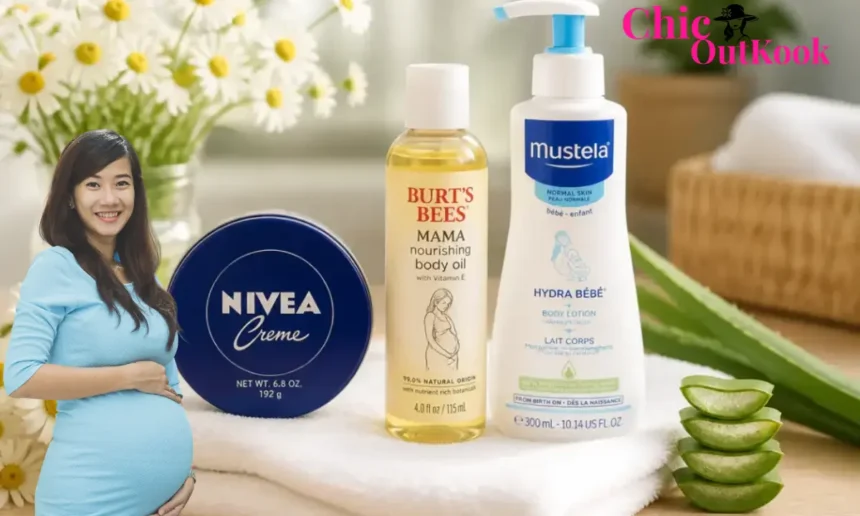
Pregnancy is a time when every product you apply to your skin suddenly matters. Many expectant mothers begin checking ingredient labels more carefully and asking whether their favorite skincare products are still safe to use. One common question is:
“I’m a pregnant woman. Are Nivea products safe compared to Burt’s Bees or Mustela?”
The short answer is yes many Nivea products are generally considered safe during pregnancy, especially basic moisturizers and body lotions. However, no skincare brand is entirely pregnancy-safe across every product line. Safety depends on the specific ingredients, not simply the brand name. Dermatologists and pregnancy skincare experts recommend evaluating each product individually and avoiding ingredients known to pose potential risks during pregnancy.
This comprehensive guide compares Nivea, Burt’s Bees, and Mustela using current information, ingredient analysis, pregnancy skincare recommendations, and practical buying advice.
Why Pregnancy Changes Your Skin
Hormonal changes during pregnancy can significantly affect your skin. Some women experience an attractive “pregnancy glow,” while others notice completely different skin concerns.
Common pregnancy skin changes include:
- Dry or dehydrated skin
- Increased sensitivity
- Itching
- Stretch marks
- Hormonal acne
- Hyperpigmentation (melasma)
- Redness and irritation
Because your skin becomes more reactive, choosing gentle skincare products becomes even more important. Fortunately, most basic moisturizers sold over the counter have minimal systemic absorption and are generally considered low risk when used as directed.
The Most Important Rule: Ingredients Matter More Than the Brand
One of the biggest misconceptions is believing a particular skincare brand is completely safe or unsafe during pregnancy.
That isn’t true.
A single brand may sell:
- Simple moisturizers
- Anti-aging creams
- Acne treatments
- Brightening serums
- Sunscreens
- Lip balms
Each product contains different ingredients.
For pregnancy, always evaluate the individual product formula, not just the brand name. Experts consistently recommend product-by-product ingredient review rather than relying on marketing claims such as “natural,” “clean,” or “dermatologist tested.”
Is Nivea Safe During Pregnancy?
For most women, yes.
Many classic Nivea moisturizers are simple hydrating products without prescription-strength active ingredients.
Examples include:
- Nivea Creme (Blue Tin)
- Nivea Soft
- Nivea Body Lotion
- Nivea Essentially Enriched Lotion
These products primarily contain moisturizing ingredients such as:
- Glycerin
- Mineral oil
- Panthenol
- Emollients
- Occlusives
These ingredients help strengthen the skin barrier and reduce dryness without acting as aggressive treatment ingredients.
Benefits of Nivea During Pregnancy
- Affordable
- Widely available
- Excellent hydration
- Good for dry skin
- Rich moisturizing formulas
Potential Downsides
Some Nivea products contain:
- Added fragrance
- Alcohol
- Anti-aging ingredients
- Chemical sunscreen filters
Pregnancy often increases fragrance sensitivity, so fragrance-free or lightly scented products may be better if your skin has become reactive.
Are Burt’s Bees Products Safe During Pregnancy?
Burt’s Bees has become popular among pregnant women because of its focus on naturally derived ingredients.
Many products include:
- Beeswax
- Shea butter
- Coconut oil
- Cocoa butter
- Sunflower oil
- Botanical extracts
The brand also offers maternity-focused products such as belly butter and body oils designed for dry, stretching skin.
Advantages
- Naturally inspired formulations
- Good hydration
- Popular pregnancy belly products
- Widely trusted
Things to Remember
Natural does not automatically mean safer.
Some botanical ingredients may contain:
- Essential oils
- Citrus extracts
- Fragrance allergens
These ingredients may irritate highly sensitive pregnancy skin even though they are naturally derived.
Is Mustela Safe During Pregnancy?
Mustela is often considered one of the most pregnancy-focused skincare brands available.
Unlike many general skincare companies, Mustela has developed products specifically for:
- Pregnancy
- Stretch marks
- Belly hydration
- Sensitive skin
- Postpartum care
Popular maternity products include:
- Stretch Marks Cream
- Stretch Marks Oil
- Maternity Balm
These formulas are generally designed with pregnancy use in mind and avoid ingredients commonly discouraged during pregnancy.
Advantages
- Pregnancy-specific formulations
- Excellent hydration
- Designed for stretching skin
- Strong maternity product range
Disadvantages
- Usually more expensive
- Smaller product selection compared with mainstream brands
Nivea vs Burt’s Bees vs Mustela: Side-by-Side Comparison
| Feature | Nivea | Burt’s Bees | Mustela |
| Daily Moisturizing | Excellent | Very Good | Excellent |
| Pregnancy-Specific Products | Limited | Moderate | Excellent |
| Stretch Mark Care | Limited | Good | Excellent |
| Natural Ingredient Focus | Moderate | High | Moderate |
| Budget Friendly | Excellent | Moderate | Moderate to Premium |
| Fragrance-Free Options | Some | Some | Several |
| Best For | Everyday hydration | Botanical skincare | Pregnancy-focused skincare |
Ingredients Pregnant Women Should Generally Avoid
Regardless of the brand, healthcare professionals commonly recommend avoiding products containing:
Retinoids
Examples:
- Retinol
- Retinyl palmitate
- Tretinoin
- Adapalene
These Vitamin A derivatives are generally avoided during pregnancy because high vitamin A exposure has been associated with fetal developmental risks.
Hydroquinone
Used for skin brightening.
Because it has relatively high skin absorption, healthcare providers generally recommend avoiding it during pregnancy.
High-Strength Salicylic Acid
Small amounts found in cleansers are generally considered lower concern, but high-concentration peels and treatments should be discussed with your healthcare provider.
Certain Acne Medications
Prescription acne treatments should only be used after approval from your obstetrician or dermatologist.
Pregnancy-Friendly Ingredients
Most experts consider these ingredients compatible with pregnancy when used appropriately in over-the-counter skincare:
- Glycerin
- Ceramides
- Hyaluronic Acid
- Shea Butter
- Cocoa Butter
- Panthenol
- Niacinamide
- Vitamin C
- Azelaic Acid (commonly recommended by healthcare professionals)
These ingredients help maintain hydration, strengthen the skin barrier, and improve comfort without the concerns associated with retinoids or hydroquinone.
Which Brand Is Best for Different Needs?
Choose Nivea If:
- You need affordable daily moisturizing.
- Your skin is dry.
- You mainly want hydration.
- You already use a basic Nivea cream without active anti-aging ingredients.
Choose Burt’s Bees If:
- You prefer naturally inspired skincare.
- You enjoy botanical oils and butters.
- You’re looking for belly moisturizers or body butters.
Choose Mustela If:
- You want products specifically designed for pregnancy.
- Stretch mark prevention and hydration are priorities.
- You have very sensitive skin and prefer maternity-focused formulations.
Does “Natural” Mean Safer?
No. Many people assume natural ingredients are always safer than synthetic ones.
In reality:
- Essential oils are natural.
- Citrus extracts are natural.
- Plant allergens are natural.
Yet these can still irritate sensitive pregnancy skin.
Likewise, many synthetic moisturizers have long safety records for topical use. The key is understanding the ingredient list not relying on marketing terms like “natural,” “clean,” or “organic.”
Tips for Choosing Pregnancy-Safe Skincare
To simplify your routine during pregnancy:
- Read ingredient labels carefully.
- Avoid retinoids and hydroquinone.
- Prefer fragrance-free products if your skin is sensitive.
- Patch-test new products before regular use.
- Use sunscreen daily to help prevent pregnancy-related pigmentation.
- Ask your obstetrician or dermatologist before using treatment products.
Frequently Asked Questions
Is Nivea Creme safe during pregnancy?
The classic Nivea Creme is generally considered a basic moisturizer with emollients and humectants, making it a commonly used option during pregnancy. However, always verify the ingredient list if formulations change.
Is Mustela better than Nivea?
Not necessarily. Mustela offers more pregnancy-specific products, while Nivea excels at affordable daily moisturization. The best choice depends on your skincare goals.
Is Burt’s Bees completely pregnancy-safe?
No brand is completely pregnancy-safe across every product. Many Burt’s Bees products are compatible with pregnancy, but individual ingredient lists should still be reviewed.
Should pregnant women avoid fragrance?
Not always. Fragrance isn’t universally unsafe, but pregnancy often increases skin sensitivity. If fragrance causes irritation, switching to fragrance-free products may improve comfort.
Conclusion
When comparing Nivea, Burt’s Bees, and Mustela, there is no single winner for pregnancy safety because the specific product ingredients matter far more than the brand itself.
- Nivea is an excellent choice for simple, affordable hydration, provided you avoid anti-aging formulas containing retinoids or other high-risk actives.
- Burt’s Bees is ideal for those who prefer naturally inspired skincare, but remember that natural ingredients can still cause irritation.
- Mustela stands out for its pregnancy- and maternity-focused products, particularly for stretch mark care and sensitive skin.
Ultimately, the safest approach is to keep your skincare routine simple, moisturize regularly, avoid ingredients that healthcare professionals commonly recommend against during pregnancy, and consult your obstetrician or dermatologist if you are unsure about a specific product. This ingredient-first strategy is more reliable than choosing a brand based solely on reputation or marketing claims.
Also read more: I’m a Gen Z Man. Are Nivea Body Lotions Better Than Vaseline for Dry Skin?